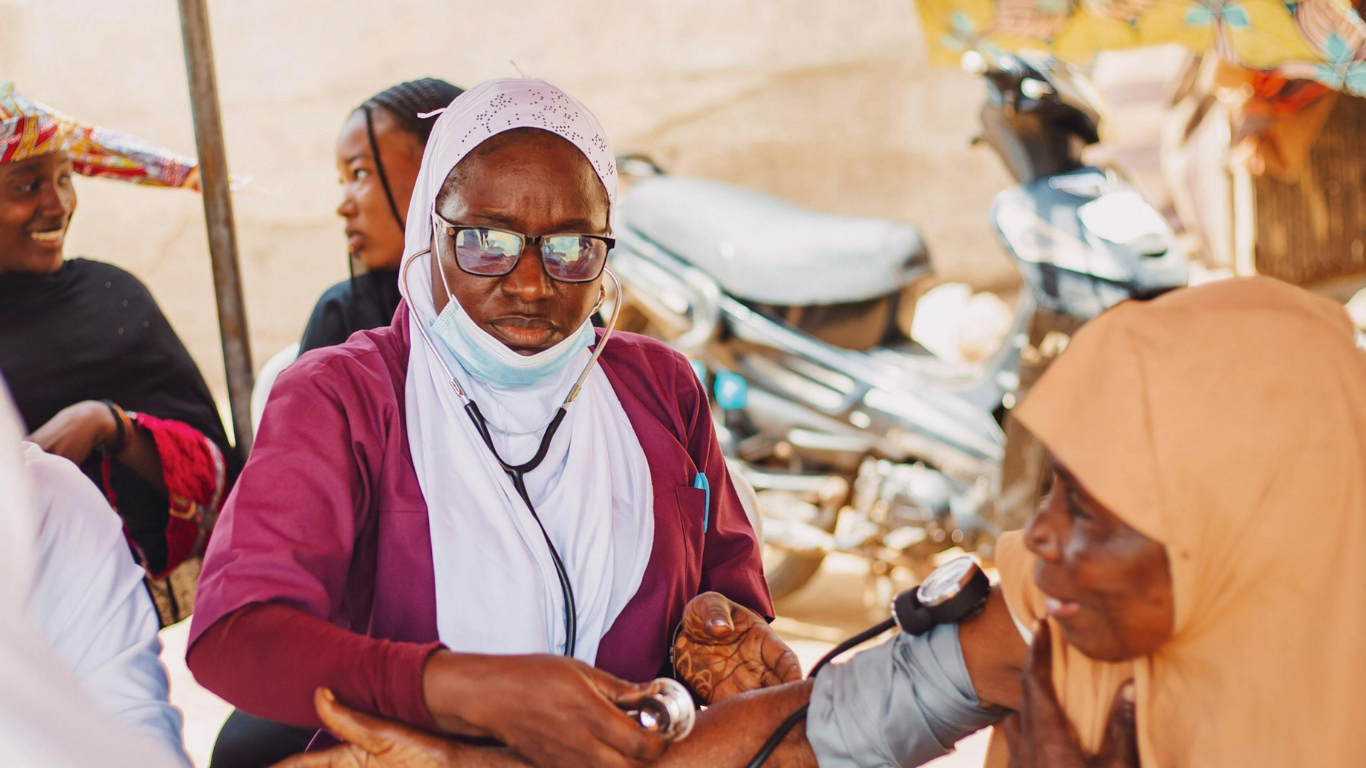
SRHR policy across Africa has long focused on a familiar set of priorities, maternal health, contraception, HIV, adolescent pregnancy and gender-based violence. These remain urgent. But this focus has narrowed how we understand SRHR, leaving out the everyday realities that decide whether women and girls can actually exercise their rights.
In this policy brief, the Africa Centre for Health Systems and Gender Justice examines four dimensions that too often slip through the gaps: menstrual and gynaecological health beyond hygiene, unpaid care work and time poverty, economic agency and reproductive autonomy, and technology-facilitated gender-based violence. The common thread is that a service being available is not the same as a woman being able to reach it, afford it, trust it and decide on its use.
The brief sets out why these issues stay neglected — largely because they are treated as separate agendas — and offers a six-point policy agenda for governments, funders and implementers