By Sarah Nyakio
Public hospitals in Kenya are often seen as serving only certain groups. Many citizens, particularly those with private insurance, assume that the public health care crisis does not affect them. This belief is not only incorrect but very dangerous.
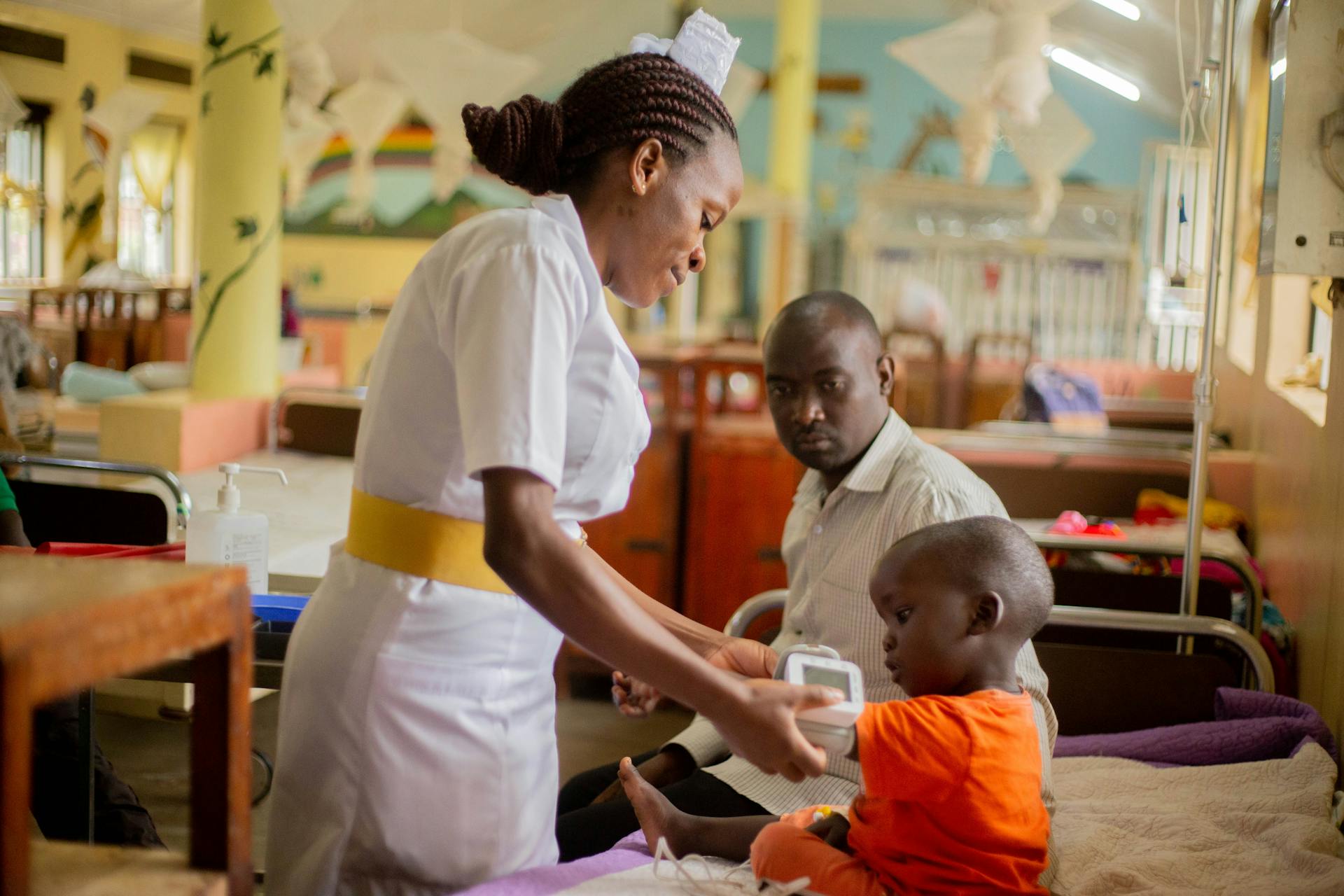
In emergencies such as accidents or building collapses, patients are taken to the nearest hospital, often a public facility, regardless of their insurance status. In these moments, the effectiveness of Kenya’s public health system is critical. Many misconceptions persist regarding public hospitals. Some believe that they are only for individuals who cannot afford private healthcare. Others assume that public hospitals offer inferior services compared to private facilities. Another common myth is that only uninsured people end up in public hospitals, which overlooks the fact that in emergencies, anyone could require their services. It is crucial to dispel these myths, as they contribute to the neglect of public health facilities and put all citizens at risk, regardless of insurance status, location, or income.
The Auditor-General’s Popular Report on the National Government for 2023/2024 reveals that the health system’s fragility stems from deliberate underfunding and lack of accountability. The report cites neglected and stalled projects essential to basic services, including unused emergency funds, delayed medical gas installations, and incomplete paediatric units. Oxygen, emergency preparedness, and child health services are fundamental to any hospital.
Large budget allocations create the impression of commitment. For example, in the same year, Kenyatta National Hospital received KSh 18.4 billion, and county health facilities received KSh 4 billion for improvements. Despite these figures, hospitals continue to face shortages of medical supplies, unfinished wards, incomplete equipment installations, and mounting unpaid bills. The issue is not only the amount allocated but also delays in delivery and a lack of alignment between spending and outcomes.
To improve accountability, implementing community monitoring initiatives can be a valuable step. Establishing clear reporting channels and conducting regular audits will help ensure that funds are utilised effectively and align with intended outcomes. Empowering citizens to participate in budget monitoring can enhance transparency and facilitate actionable feedback, thereby improving resource management. Creating platforms for frequent public reporting on health budget execution can bridge the gap between allocations and practical disbursements.
There is a persistent gap between the health sector’s stated needs and actual funding. Hospitals compensate by rationing care, delaying payments to suppliers, and overextending staff. Auditor-General reports have repeatedly highlighted these issues, yet budgets are approved without addressing the underlying mismatch between responsibilities and resources.
Members of Parliament have raised concerns about transparency and accountability in health spending, seeking explanations before approving additional funds. This scrutiny is necessary, but it must be genuine. Chronic underfunding inevitably leads to poor outcomes. It is unreasonable to expect efficiency, quality, and accountability from institutions operating in a constant deficit.
Counties are responsible for delivering health services. They manage facilities, employ health workers, and address service failures directly with the public. As such, citizens need to play an active role in holding their governments accountable and demanding accessible, well-funded public hospitals. County budget hearings offer the public an opportunity to influence the quality and accessibility of health facilities, yet participation remains limited. Accountability extends beyond audits and parliamentary debates; it requires citizens to engage, ask questions, and seek explanations when hospitals remain under-equipped despite approved budgets. Anything less is a choice to accept a health system that cannot reliably protect lives.
Because when the ambulance doors open, we are all equal patients, the condition of our public hospitals determines the outcome.
Sarah Nyakio is a human rights advocate and a communication consultant at the Africa Center for Health Systems and Gender Justice. s.nyakio@healthsystemsgenderjustice.org