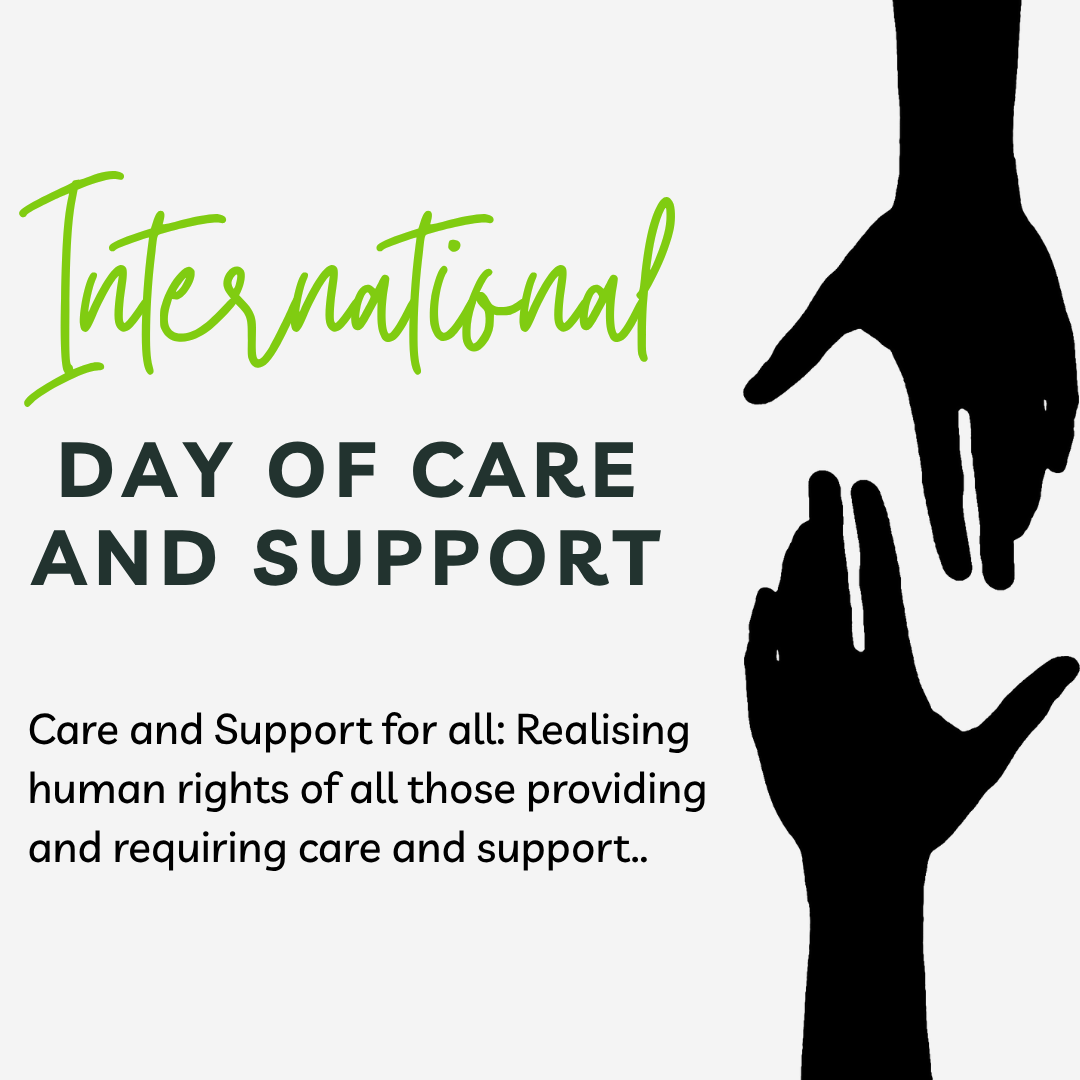
On this year’s International Day of Care and Support, we remember 54-year-old Zaituni Kavaya, a domestic worker who fell from the fifth floor of a Kilimani apartment under unclear circumstances. Her death is not an isolated tragedy, it is a stark reminder of the daily risk and invisibility of care work in Kenya. Zaituni’s story puts a human face to a sector that sustains our homes yet remains undervalued and unprotected.
Behind closed doors, women like Zaituni commonly known as mama fua, work long hours for little pay, often in unsafe conditions. Their work is indispensable but treated as informal, invisible, and expendable. The International Day of Care and Support should compel us to confront this contradiction: that the very women who make daily life possible for others do so at great personal cost.
Kenya has an estimated two million domestic workers, most of them women and girls, some as young as sixteen well below the legal minimum working age. Many lack contracts, rest days or health coverage. Their vulnerability is deepened by poverty, gender inequality, and the stigma attached to care work. Care work fuels every economy, yet in Kenya it remains grossly underpaid and unregulated. The Employment Act of 2007 and Article 41 of the Constitution promise fair labour practices and safe working conditions, but these protections exist largely on paper. Abuse is too often dismissed as a “domestic matter,” allowing exploitation to thrive behind closed doors.
This crisis extends beyond Kenya’s borders. Thousands of Kenyan domestic workers, mostly women, migrate to the Gulf in search of better opportunities but find themselves trapped in cycles of abuse. Amnesty International has documented horrific cases of forced labour, exploitation, and human trafficking.
Between 2020 and 2021, at least 89 Kenyan domestic workers reportedly died in Saudi Arabia a horrifying statistic that reflects both impunity abroad and indifference at home. Rights groups have gone to court on behalf of women who were beaten, raped, or detained abroad, accusing the Kenyan state of failing to protect its citizens from modern-day slavery. Yet the government continues to sign new labour export agreements even with countries where Kenyan women continue to die, prioritising remittances over rights. Economic need cannot justify exploitation.
These realities demand more than sympathy; they demand structural change. The Kenyan government must ratify and implement the ILO Domestic Workers Convention (C189) and the Violence and Harassment Convention (C190) without delay. It must enact a Domestic Workers Act guaranteeing contracts, fair wages, rest days and access to social protection. Countries like South Africa and the Philippines have shown that political will can transform domestic work from
invisible labour into dignified employment. Kenya must follow suit, both for those who work in our homes and those who leave to care for families abroad.
Improving the working conditions and pay of domestic and care workers is not charity, it is justice. Building fair care systems means recognising that women bear a disproportionate share of both paid and unpaid care work. It means creating structures that are human rights–based, gender-responsive and age-sensitive; systems that value every worker’s dignity, regardless of where they labour.
Zaituni Kavaya’s name must not fade into silence. Her death should awaken a reckoning about how Kenya values care and those who provide it. On this International Day of Care and Support, let us honour her memory by demanding visibility, safety, and justice for every mama fua and caregiver who sustains our society.